Sunday, December 21, 2025

Blood is Thicker Than Water, But Not for The Macarros: Tribal Chairman Keeps His Own Family Members Out of the Pechanga Tribe

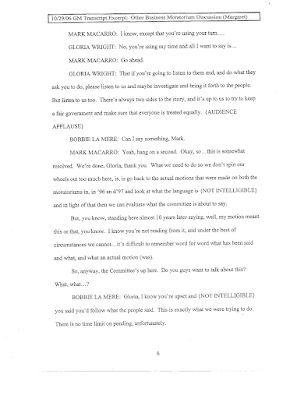
President Mark Macarro's family still not in the Pechanga tribe.  Post from years ago

Pechanga Chairman and National Congress of American Indians Vice President Mark Macarro's public persona belies his actual demeanor.  We wrote about this story years ago.  It brings to question the Pechanga moratorium, which was put in place 25 year ago, to "correct the record". 


THREE DECADES OF MORATORIUM IS A FARCE 

How is it that in 25 years, the enrollment committee couldn't figure out Chairman Mark's FIRST COUSIN, Arlene Macarro and family, rightfully belonged.  25 years. The newborn grandbabies of the Enrollment committee could have graduated from college.  

This story is not limited to Pechanga, here's one from 2000 in the LA TIMES

So, brace yourself for this one.  It's well-known that the Chairman of the Pechanga Band of Luiseno Indians, Mark Macarro, has allowed the despicable act of wiping out more than 20% of his own tribe via an unlawful disenrollment. And get this, it was against the Pechanga tribal constitution! But that's not even the worst part. This scum, along with his little brother John and cousin Victor, had worked tirelessly to keep their OWN FAMILY members out of the tribe. Can you believe it?  Some of us can, we've experienced it.

Their own cousin, Arlene Macarro, has been languishing in the membership moratorium for over two decades, I repeat, Mark Macarro's OWN COUSIN. and all while these bloodsuckers play their disgusting little games and keep rightful members out of the tribe.  Yes, it's for money as we wrote here

Arlene says she didn’t learn she had lost her tribal membership until she traveled in 1998, to the Temecula reservation to visit her grandfather’s grave and was denied entry by security guards.

Many tribal people THOUGHT they were members, they didn't realize they had to apply for membership.   In fact in the first 1979 membership, Mark Macarro is absent.  Others, not blood related wormed their way into the tribe.   They were not disenrolled. 

And if that wasn't bad enough, it appears they stooped so low as to engage in some shady quid pro quo to get our family out of the tribe.  Former enrollment committee chairman Bobbi LeMere was able to sneak her adult family members into the tribe just after the Hunter disenrollments were confirmed, AGAINST TRIBAL LAW: The Moratorium.   LeMere's family could get in, but NOT THE CHAIRMAN'S?  That sounds shady, doesn't it? Tribe have the sovereign right to be shady AF, and damn if they don't exercise it.

If you want to read about the full extent of this nauseating family feud, check out the link to pechangajournal. But be warned, the details alleged are not for the faint of heart. And as if things couldn't get any worse, Arlene, a member of the Macarro family, has alleged she'd been threatened by Victor Rocha.

It just goes to show you that being a vile, loathsome jerk runs in the Macarro family. Disgusting by any measure.

Just because a tribe has sovereign right to abuse their own, it doesn't make the abuse right.

Friday, December 19, 2025

Why The Scourge of Tribal Disenrollment is a Human Rights Issue Every Native Should Care About

As long as I am disenrolled, I will continue to fight for my ancestors rights and my descendants, and I will keep asking for YOU to join the fight for us.


Why WE ALL Should Care About Disenrollment even in you are not affected.

Disenrollment is the practice that involves stripping Native Americans of their citizenship and heritage, perpetrated by Native Americans themselves to gain money, benefits, and power. It's a harmful and disturbing trend that has affected over 10,000 people, with far-reaching implications.

You may wonder why you should care about disenrollment, especially if you're not a member of a Native American tribe. But the answer is simple: if one person's rights are violated, it affects us all. Disenrollment is a violation of basic human rights, and it goes against the very principles of democracy, fairness, and justice that we hold dear. And one our tribal leaders purport to support.

When tribes were granted gaming licenses, they made a promise to voters that they would take care of their people. Disenrollment, along with other practices such as banishments and moratoriums, directly contradicts that promise. Not only does it harm individual tribal members, but it also undermines tribal self-governance, making it harder to gain support from those who doubt the ability of tribal governments to handle membership issues.  Not following tribal law and the tribe's own consitution as what happened to my Pechanga Band of Luiseno Indians has done JUST THAT.

Moreover, disenrollment tears apart our ancestral connections that tribal members have with their communities. It's not just about being kicked out of a tribe; it's about losing cultural identities, religious ceremonies, activities, politics, burials, education, and customs that are an integral part of their lives. This type of isolation and separation is cruel and inhumane, and it's a sentence of imprisonment for life.

But it's not just a matter of basic human rights; it's a matter of ethics and morality. Disenrollment is not the traditional way of the Native Americans, and it's only used in extreme cases. This practice is being called the new genocide, and it's being perpetrated by tribal officials who are supposed to protect the rights of their tribal citizens. It's time to demand moral and ethical integrity in regards to human rights and the law.

Why stand idly by and watch as these atrocities continue to occur? It's time to take action and hold these officials accountable for their harmful actions. One way to do this is to stop patronizing offending tribes' casinos, hotels, restaurants, powwows, and clubs. 

Let them know that we do not agree with their system of denying civil rights to their people and that we will not support their nation until they follow their own tribal law.

We must demand that tribes who disenroll en masse, like Chukchansi is doing now,  should lose Federal funding and benefits, including land trusts. The American people should not be paying tribes who violate the civil and human rights of their people. Our representatives should shun these tribes and use their bully pulpit to fight for the rights of the people who have been beaten by the club of sovereignty.

It's time for the Department of Interior and Congress to step up and uphold the protection of our civil rights and protect tribal members from rogue governments that break tribal laws and constitutions. The trust responsibility of Congress extends to all Native Americans, not just Chiefs and Chairmen. We must demand that they do their duty to protect our civil rights and the rights of all tribal members.

Disenrollment matters. It's a violation of basic human rights, and it goes against the very principles of democracy and fairness that we hold dear. We must demand change and hold those responsible accountable for their actions.

Fighting for Fairness and Justice in Casino Indian Country: The Battle Against Tribal Disenrollment in Native American Communities

Disenrollment is a widespread issue that plagues over 80 Native American communities and represents a despicable abuse of power and a clear violation of human rights.


Tribal disenrollment is a heinous act that represents a despicable abuse of power and a clear violation of human rights. It is a practice that seeks to strip Native Americans of their cultural heritage, their identity, and their voice. Those who carry out this practice are nothing less than oppressors, seeking to maintain their power and control over tribal communities through the most heinous means possible. It is an affront to justice, fairness, and basic human decency

As a society, it is our duty to stand up and speak out against this injustice. This fight is not just about tribal membership, it is about upholding fundamental principles of fairness and justice.

The disenfranchisement of Native American communities cannot continue unchecked. We must demand that those responsible for these practices are held accountable.

Congress and Native advocates have an important role to play in speaking out against this injustice and supporting those who have been disenrolled. Together, we all must work towards ensuring that each member of tribal communities are treated with dignity, respect, and fairness.

We must amplify the voices of those who have been disenrolled so that their stories can be heard and their rights protected.

It's time for us to work together to bring an end to tribal disenrollment and to ensure that the cultural heritage of Native American communities is respected and preserved for generations to come.

This is not just a fight for justice and fairness, it is a call to action for all of us to stand in solidarity with those who have been disenfranchised and to demand accountability from those who seek to deny us our rights.

 LEARN MORE ABOUT TRIBAL DISENROLLMENT HERE

Disenrollment and the Betrayal of Tribal Members' Civil and Human Rights With Tacit Approval of Congress and Native America

 A quick follow up to Paul Johnson's article AREN'T Native Americans Entitled to Civil Rights  read that, then this.

The violations of civil and human rights that occur when individuals are disenrolled without due process are abhorrent. The following are some of the key rights that are violated in such cases:

Unbiased tribunal: All individuals have the right to a fair and unbiased hearing. When tribal governments fail to provide an impartial tribunal, the integrity of the process is compromised.

Notice of proposed action and the grounds on which it is based: The right to notice is a fundamental principle of due process. Without proper notice, individuals may not have the opportunity to prepare a defense and respond to the charges against them.

Opportunity to present a reason why the action should not occur: The right to be heard is essential to due process. When individuals are disenrolled without the opportunity to present their case, their rights are violated.

Right to call witnesses on your behalf: The right to call witnesses is a fundamental aspect of a fair hearing. When individuals are disenrolled without the ability to call witnesses, they are denied a fair process.  The action of disenrollment abusing this principle makes the action unjust

Right to know what evidence is brought against you: Without the right to know what evidence is being used against them, individuals may not be able to mount a proper defense.  In our case, Pechanga IGNORED the evidence they paid for, since it didn't produce the action they wanted.  They accepted hearsay evidence

Right to have the decision based only on the evidence: STOP LAUGHING!   Decisions must be based solely on the evidence presented in a fair hearing. When decisions are made without proper evidence, individuals may be disenrolled unfairly.

Right to counsel: The right to counsel is a fundamental principle of due process. When individuals are disenrolled without the ability to have legal representation, their rights are violated.

Right to a public proceeding: The right to a public proceeding helps ensure transparency and accountability. When hearings are held in secret, the process is more likely to be unfair.  When we are told we can't speak about it, it's unjust

A record of the proceedings: The right to a record of the proceedings helps ensure that decisions are made based on the evidence presented.  We weren't allowed writing implements..we you?

Right to judicial review: The right to judicial review helps ensure that decisions made by tribal governments are subject to review by an impartial court.   WHY the need to invoke sovereignty, when a review of the facts, if just, would stand for themselves

When any of these rights are violated, the integrity of the disenrollment process is compromised, and the rights of the impacted individuals are violated.   Any rights, not all....but if all are violated, there is no justice

The Painful Legacy of Tribal Disenrollment: How Pechanga's Ancestors Are Crying Out for Justice


Dishonors our Ancestors who
have been together from
TIME IMMEMORIAL

It is deeply disheartening to witness current council members disregard over three decades of the Pechanga band's history between 1970 and 2000.  It is equally dismaying that they seek to erase the oral depositions recorded by several Ancestors of the Pechanga band in 1915.  BRING ALL our PEOPLE HOME.

We owe it to our shared Ancestry, including those we ADOPTED INTO THE TRIBE, to uphold the honor and dignity of ALL band members, from our predecessors to the present day.

The fact that Allotted Indians at Pechanga can be stripped of their voting rights, water rights, and their rightful share in casino profits is a travesty. It is a dishonor to our Ancestors and their federal and band recognition. Are they the same tribe that was federally recognized?    We cannot remain silent in the face of such injustice.

Our Ancestors deserve the truth, and it is our duty to honor it, ALL OF US. Let us stand together in solidarity and fight against any faction that seeks to undermine our shared heritage and dishonor the legacy of our forebears.

The time has come to demand that our rights be respected and our voices heard.  We will not rest until justice is served, and the truth prevails.  Our ancestors DEMAND it.

READ:  Mark Macarro's Legacy: Harming Indians, Lying to Congress and APARTHEID at Pechanga

The reason why the truth about Pechanga's disenrollment remains unchanged is that the tribe refuses to allow it to be openly discussed in an unbiased forum such as a court of law (The Pechanga General Council, THE PEOPLE) where both sides could present their case. Despite what Pechanga claims about courts, this has never happened.

If you think that our appeal, and that of the Manuela Miranda descendants were fair and unbiased, consider this: the people who ruled and voted against us during our disenrollment were also on the tribal council, and our appeal was heard by the same council. This is a clear conflict of interest and would never be allowed in any court of law or other impartial panel.

When we asked that those who ruled against us from the enrollment committee recuse themselves from participating in our appeal, it was met with ridicule and a refusal to step aside. Can we honestly say that we received a fair hearing? It is akin to asking a thief to sit on the jury of their own case.

This is just one example of the unfairness that the enrollment and tribal council engaged in. There are several by-laws that were not considered and were outright broken. Pechanga is clearly afraid of the truth and is unwilling to face the consequences of their actions

Thursday, December 18, 2025

Pechanga Chairman Mark Macarro's Selective Amnesia: Ignoring Present-Day Trauma While Denouncing Historical Wrongs

Pechanga works to end being associated with the historical traumas of our ancestors, yet is willingly blind to the CURRENT TRAUMA they have perpetrated on our ancestor's descendants.  WHY is 19th century trauma, worse than 21st century trauma to the living?  MY FAMILY's Pechanga ancestors were abused by mission priests, the Spaniards, the Mexicans and the heritage they bequeathed us with, has been abused by Pechanga leadership. 
 
Pechanga has dropped the term LUISENO from it's well known name, as reported in the Press Enterprise .  


Pechanga Chairman Mark Macarro stated:  “We have long discussed this name and its origins associated with the mistreatment, enslavement and killing of our ancestors.”

It is a grave oversight for Chairman  Macarro to denounce historical abuses while turning a blind eye to the present-day travesties perpetuated by his council of tribal leaders through disenrollment.

While he rightly acknowledges the mistreatment, enslavement, and killing of our ancestors, he conveniently ignores the current mistreatment inflicted by our own Pechanga leaders.

The trauma inflicted upon our people by mission priests centuries ago finds its modern counterpart in the egregious act of disenrollment.  Those of us who suffer this injustice experience a profound loss, not just of tribal affiliation, but of their very identity and heritage. The pain runs deep as they are forcibly severed from their ancestral roots, denied the connection to their tribe that is rightfully theirs.  This betrayal by those including Chairman Mcarro, who should protect and uphold their people's legacy only deepens the wounds of historical injustice, perpetuating a cycle of trauma that echoes across generations. It is time for tribal leadership to acknowledge and rectify these present-day abuses, prioritizing unity and healing over division and disenfranchisement.

At Pechanga, the disenrollment of my ancestor Paulina Hunter, 107 years after she died, and  decadess after she spent so many weeks of traveling by wagon from Los Angeles, to Temecula, to be included in the censuses was a direct attack, by people who were not with the tribe at that time.   The Butch Murphy family for one.

For many Native Americans, being part of a tribe is not just a matter of ancestry or heritage. It is a vital part of their identity, providing a sense of belonging and community that is difficult to replicate elsewhere. Losing that connection can be isolating and traumatic, leaving people feeling adrift and disconnected from their cultural and social roots. 

The 21st century should be a time for healing for all those who have been abused.  And there are 11,000 of us.  Come on, Chairman Macarro, DO THE RIGHT THING.

The Trauma and Pain of Losing Tribal Heritage: The Devastating Consequences of Tribal Disenrollment Kept SECRET

 Disenrollment is the process of removing members from a tribe's rolls or membership, effectively stripping them of their tribal heritage and all the associated benefits that come with it.

This is an experience that can cause immense pain and heartbreak for those affected. Losing tribal heritage through disenrollment can have significant social, cultural, and economic consequences, and the impact is often felt for generations.  This is an abuse of our ancestors.


For those who have been disenrolled, the pain of losing their tribal heritage is multifaceted. They may feel a profound sense of loss and grief as they are cut off from their ancestral roots and no longer have a connection to their tribe. They may also feel a sense of betrayal, as the tribe that they believed to be their family turns its back on them.

At Pechanga, the disenrollment of my ancestor Paulina Hunter, 107 years after she died, and the same after so many years of traveling by wagon from Los Angeles, to Temecula, to be included in the censuses was a direct attack, by people who were not with the tribe at that time.   The Butch Murphy family for one.

For many Native Americans, being part of a tribe is not just a matter of ancestry or heritage. It is a vital part of their identity, providing a sense of belonging and community that is difficult to replicate elsewhere. Losing that connection can be isolating and traumatic, leaving people feeling adrift and disconnected from their cultural and social roots.  Read NATIVE HEART  written by my cousin Della.

Disenrollment can also have significant economic consequences, as those who are removed from tribal rolls lose access to tribal resources, including healthcare, education, and financial assistance. This can be particularly devastating for those who rely on these resources to survive, such as the elderly or those with disabilities.

The loss of tribal heritage through disenrollment can also have a profound impact on future generations. Children and grandchildren may be cut off from their tribal heritage and culture, leading to a loss of traditional knowledge, language, and values.  IN FACT, PECHANGA sent jack-booted thugs to pull our youth from the tribal school, see that video description here.
This can have a lasting impact on their sense of identity and their ability to connect with their community and cultural roots.

Thursday, November 27, 2025

Legal Threat Targets You’re No Indian; Filmmakers Affirm Commitment to Accuracy and Dialogue

 Here is the press release from the filmmakers of You're No Indian, an award winning documentary on the scourge of tribal disenrollment.  I HAVE ADDED LINKS to the release so that you may learn more.

 Please share it on your social media and through your email lists.


LOS ANGELES--(BUSINESS WIRE)--On November 24, 2025, the filmmakers of You’re No Indian received a cease-and-desist letter from attorneys representing the Pechanga Band of Indians and Chairman Mark Macarro. The letter demands that all screenings and distribution of the film be stopped, asserting concerns about research and representation.

The filmmakers stand by the extensive work that went into the project. “Our team spent years documenting these stories, speaking with families, reviewing records, and consulting experts,” said Ryan Flynn, Director of You’re No Indian. “We also reached out to Chairman Macarro multiple times during production — and documented those attempts — offering him the opportunity to share his perspective. That invitation remains open.”

The team is reviewing the letter with legal counsel, but they remain confident in the integrity of their process and the importance of the conversations the film has sparked.

“Our aim has always been to approach this subject with care, accuracy, and respect,” Flynn added. “If Chairman Macarro wishes to share his viewpoint now, we welcome that dialogue and will present it fully and without alteration.”

You’re No Indian has screened at Dances With Films LA, Montana International Film Festival, Shining Mountains Film Festival, the United Nations Association Film Festival (UNAFF), and the RNCI Red Nation International Film Festival, receiving the Joanelle Romero Impact Award and an Honorable Mention for Best Documentary Feature.

As the filmmakers evaluate the letter’s claims, they remain committed to transparency, open conversation, and to ensuring that the voices featured in the film are heard.

About You’re No Indian

You’re No Indian is a documentary that explores the experiences of people who have been removed from tribal citizenship, highlighting the personal, cultural, and community-level effects of disenrollment as told by those directly affected. Directed by Ryan Flynn and executive produced by Tantoo Cardinal and Wes Studi, the film is produced by Michael Sammaciccia and Santana Rabang.


Wednesday, November 26, 2025

Mark Macarro Sends CEASE AND DESIST Demand to Producers of 'You're No Indian" Struck a NERVE Mr. Chairman? Is Your Injustice Giving you HEARTBURN?

 This is RICH.... The Chairman of The Pechanga Band of Indians, MARK MACARRO must have seen the reviews of the documentary "You're No Indian"  with high impact producers Wes Studi and Tantoo Cardinal.   His team of attorneys have sent the director, RYAN FLYNN a cease and desist letter.   

The documentary on tribal disenrollment recently won an award at the RED NATION International Film Festival    This was exciting news, as you'll remember, the film was pulled from the Palm Springs International Film Festival.    Watch director Flynn's response here: 


Learn MUCH MORE about CHAIRMAN MACARRO HERE

Thursday, November 20, 2025

The Injustice of Selective Tribal Disenrollment at Pechanga IS NOT Ancient History, it's 21st Century Bloodless Genocide

INJUSTSTICE for THEE, But NOT FOR..US

What happens when the people who have long harbored disdain for your family become not only your accusers but also your judge and jury? This is the heartbreaking reality faced by descendants of Paulina Hunter, a recognized member of the Temecula Indian tribe, who have been subjected to disenrollment under dubious circumstances.


Paulina Hunter was an Indian who lived in the original Temecula Indian village. Her membership in the tribe was acknowledged through documented and certified testimonies from her contemporaries from the 19th Century. When the tribe was evicted from their ancestral village, she moved to the area now known as Pechanga, living alongside her fellow tribal members. Even decades later, her standing as a tribal member was affirmed by one of the most revered and respected members of the tribe, who declared in a signed and witnessed document that he personally knew her as a member.

Historical accounts support her tribal membership. Individuals alive during the creation of the Pechanga Reservation provided signed, witnessed statements affirming their recognition of her as a tribal member. Tribal elders during the disenrollment hearings also confirmed that the Hunters had always been regarded as part of the tribe.

Yet, more than a century after her death, detractors now claim she was not a true tribal member but merely an Indian who coincidentally lived among them. These assertions challenge historical facts, suggesting that Paulina Hunter was mistakenly identified as a Pechanga Indian—despite being evicted with the tribe, receiving a government-allotted reservation plot, and being listed year after year in official records as a Temecula Pechanga Indian. They even dismiss the testimony of Dr. John Johnson, a curator of anthropology, who initially reported being 90% certain—and later 100% certain—that Paulina Hunter was a Pechanga Indian.

The disenrollment process itself has been deeply flawed and unjust. A small faction, known as the CPP, has claimed exclusive authority to determine who qualifies as a "real" tribal member, disregarding historical records and testimonies. One disenrollment committee member openly stated that the Hunters would be disenrolled regardless of the evidence presented. Another member reportedly slept through the hearings. Basic rights, such as the ability to take notes, have legal representation, or obtain transcripts of the proceedings, were denied.

For context, Pechanga is the name of a place, not originally a tribe. The Temecula Indians moved to Pechanga after their displacement and later established the Pechanga Reservation. According to Dr. Johnson’s findings, Paulina Hunter’s father, Mateo Quasicac, was born in Pechanga before the establishment of the reservation. He is the only Indian recorded in mission archives as being born there, making him—and by extension, his descendants—Pechanga Indians.

Attempts to halt this injustice were made. Years ago, in the largest tribal meeting in recorded history, the tribe overwhelmingly voted to stop all disenrollments and remove the disenrollment process from tribal law. However, this victory was short-lived. The ruling faction, shocked by the vote, suspended all tribal meetings and secretly overturned the decision, guarded by armed personnel. The Hunters were disenrolled anyway, further consolidating the faction’s control by eliminating a significant voting bloc.


This disenrollment is not merely a personal affront to the Hunters but an affront to justice, history, and the principles of tribal unity. It raises a troubling question: how can a tribe deny the very history and identity that bind its members together? By erasing the Hunters from their ranks, the Pechanga disenrollment committee has rewritten history to suit its agenda, undermining the integrity of the tribe as a whole.

Thursday, October 16, 2025

Tribal Disenrollment is a HATE CRIME AGAINST NATIVE AMERICANS


This is an apt description in many instances of tribal disenrollment:

hate crime (also known as a bias-motivated crime or bias crime)[1] is a prejudice-motivated crime which occurs when a perpetrator targets a victim because of their membership (or perceived membership) of a certain social group or racial demographic.

While stripping the tribal citizenship from perceived enemies and those not following those in power in lockstep is NOT a crime, though the violations of civil and human rights should be,  the results can be the same.   So, would they just be bias incidents that affect 11,000 living?

Elders lose their heritage, their kinship, their health benefits.  Children grow up with no sense of tribal belonging and without the benefits they should have.

Friday, February 21, 2025

Tribal Disenrollment: Greed-Driven Theft Robs Tribal Members of Their Birthright and Their Rightful Per Capita Payments.


In the trailer for the documentary on tribal disenrollment,  YOU'RE NO INDIAN, at the :42 mark, per capita is discussed.  

Why talk about money?  Because when discussing disenrollment, some people are ONLY interested in how much money is lost.  They don't care about the loss of heritage, civil rights, or the abuse of our elders.   SO here it is.  $1,160,000,000  
 
Disenrolling tribes say that disenrollment isn't about the money (yes, they are lying).  Well, as the numbers here for the Pechanga casino prove, disenrollment enriches those remaining.  The rest is about controlling power, then you can control OTHER TRIBAL MONEY, like all expenses paid work travel including family, or giving tribal business to your wife's lobbying firm.

From the Pechanga Band of Luiseno Indians in Temecula CA here is the breakdown of the theft of per capita by the Mark Macarro-led tribal council.  Mr. Macarro is the President of the lobbyist group The National Congress of American Indians.

The Hunter family has lost $5,448,000 per person, in per capita payments alone.

We arrived at that figure by taking the last full year (2005) of per capita $268,000/12 months (this includes a yearly bonus) and multiplying that loss times 227 months of disenrollment. 95 adults at the time of disenrollment  totals: $5,448,00 EACH.  Total loss equals: $571,560,000

The Apis/Manuela Miranda family was disenrolled two years prior in 2004  The per capita was slightly less, about $17,000 per month times 251 months of termination: $4,267,000 times 135 adults equals: $576,045,000

Moratorium People NEVER shared in what was rightfully theirs. The per capita went up to $360,000 per year for those remaining after elimination of 2 large families of tribal citizens.  The Petra Tosobol descendants should have been making over $15,000 per month had they been enrolled as they were rightfully entitled. They were over 60 adults.    

Despite being the leader of the Pechanga Band of Luiseno Indians, Mark Macarro has reportedly excluded members of his own family from the tribe, prioritizing his own personal gain over the well-being of his kin.   

Thug members who were involved in drugs, shootings, sexual abuses carjacks still qualified. Pechanga Theft of $1,160,000,000 (That's over ONE BILLION DOLLARS) Includes additional $27 Million in Health Insurance, a so called "Cadillac plan" under the Affordable Care Act.

These totals do not include lost education assistance nor does it account for family members that attained the age of majority. I wanted to keep the numbers static. 

 I'll gladly update if the tribe wants to give me the current numbers

To NCAI President Mark Macarro: Us Get OVER DISENROLLMENT? ...F**K YOU

 My friend Michelle Hammock, one of the HOPLAND 74 disenrolled has a powerful piece up on her webpage .  I was proud to share a podium with her in Sacramento as we shared our stories of disenrollment, I wrote about that here.  I ripped my speech up after hearing hers as it was SPOT ON.   I directed this to a Disenrollment Chieftain, Pechanga Chairman Mark Macarro, as he is now the President of the lobbying group, the National Congress of American Indians.  He led the tribe that RIPPED OUR HERITAGE APART.    


The act of disenrollment is an act of genocide, whether the Genocide Convention recognizes it as such or not. It removes the living and deceased identities of federally recognized individuals and strips them of their treaty rights, their tribal constitutional rights, and their legal identities. It breaks families apart and expires the identities of a group of people. It strips them of the federal protections afforded to only Native tribal people uniquely agreed upon with our dominantly white government.

And we are called hateful for decrying the acts. For calling it out and never letting it be forgotten. We are the hate filled ones that need to shut our mouths for the sake of other people’s reputations. We are told to get over it. We are told that because of “our” hate that no one would want us back. We are told that we are so blinded in hate that we cannot offer anything to our tribes.    And to that I say Fuck You!


Life after disenrollment is different for everyone. For some, the experience was so distraught that they have to find a healthy way of living away from the ordeal just to keep from having to relive the horror of the injustice everyday. Others may find that resuming as much of their life pre-disenrollment and moving forward for the sake of their families and the everyday routines they align themselves on is best. And there are the ones where it killed them. Literally.

And then there are folks like me. The ones that people call out as the hateful ones. The ones who are loud mouthed and loose lipped over the corrupt and unjust acts that were levied against them.  The ones who never let it go and live everyday in devotion to seeking justice in any form necessary. The un-resting and unrelenting bunch of angry and hurt people, victims of paper genocide carried out by the crooked, uneducated and certainly, uncaring elected farces of tribal council leadership.


OP:   We all should be loud mouthed on this issue that has affected us, our children and our ancestors.   HOW can we expect things to change, if we don't stand up for what is right, and just? Why should OTHERS stand up for us, if we don't stand up for ourselves

PLEASE, I urge you to read Michelle's piece, and share it.  I URGE you to get involved, get BACK involved and let's fight it in the court of public opinion.

Tuesday, February 18, 2025

FREE AT LAST, Leonard Peltier Leaves Prison

We have written about Leonard Peltier through four Presidents and it finally happened.  Joe Biden got at least ONE pardon right.


From CBS NEWS:

Leonard Peltier's release is the right thing to do given the serious and ongoing human rights concerns about the fairness of his trial, his nearly 50 years behind bars, his health and his age," said Paul O'Brien, executive director with Amnesty International USA in a statement. "While we welcome his release from prison, he should not be restricted to home confinement."

Prominent Native American groups like the National Congress of the American Indian have called for Peltier's release for decades, and Amnesty International considered him a political prisoner. Prominent supporters included South African Archbishop Desmond Tutu, civil rights icon Coretta Scott King, actor and director Robert Redford and musicians Pete Seeger, Harry Belafonte and Jackson Browne.

Saturday, February 15, 2025

Dear President Biden, Aboard Air Force One: Why Mr. President Are YOU HONORING Tribal Leaders Who Disenroll Their Own People

 Dear Mr. President,

I write to you with deep concern and a heavy heart regarding an issue that profoundly affects the lives of countless Native Americans across this country: the abusive practice of tribal disenrollment. This egregious act, often carried out without evidence or due process, strips individuals and families of their heritage, identity, and rights. It is an injustice that not only harms the disenfranchised but also tarnishes the sacred principles of sovereignty and unity within Native nations.

As the leader of our nation, your platform carries immense weight in addressing injustices and standing with those who have been wronged. Yet, it is disheartening to see some tribal leaders—who have disenrolled their own people, violating their human and cultural rights—treated as if they are exemplars of integrity and leadership. When these individuals Chairman Mark Macarro of Pechanga being one , are invited aboard Air Force One, one of the most potent symbols of American values and honor, it sends a troubling message: that their actions are condoned, or at the very least overlooked, by the highest office in the land.   


Mark Macarro (short/right) with the President
         (photo courtesy)


Disenrollment is more than an internal tribal matter—it is a human rights issue. Entire families are being erased from their tribes, often for political or financial gain. These actions run contrary to the ideals of justice, equality, and respect for cultural heritage that you have championed throughout your presidency.

Disenrolling Tribal Leader Jack Potter 
cavorting with President Biden.

Your voice could be transformative in this matter. By publicly condemning the practice of disenrollment and refusing to honor leaders who engage in it, you can stand in solidarity with the tens of thousands of disenrolled Native Americans who have been marginalized and betrayed. Such a stance would not be an attack on tribal sovereignty but rather a call for accountability and ethical governance—a principle that applies to all leaders, whether tribal, state, or federal.

I urge you to use your influence to highlight this injustice and to meet with those who have been affected. Listen to their stories, hear their pain, and stand with them. Honor the resilience of Native Americans who fight for their rights and heritage, and make it clear that those who harm their own people will not be celebrated or embraced by the United States government.

The disenrolled deserve to know that their struggles are not invisible and that their cries for justice have reached the ears of their President.  Your Secretary of the Interior Deb Haaland wouldn't touch the issue.  HOW MANY NATIVE AMERICANS does it have to happen to, to be wrong...?

Please, Mr. President do not let this opportunity to lead with courage and conviction pass by.

Tuesday, January 21, 2025

At Long Last Leonard Peltier's Sentence Commuted and he is Granted Clemency


In a surprise move during the final moments of his presidency, President Joe Biden has granted clemency to Leonard Peltier, the 80-year-old Indigenous activist and political prisoner. Peltier, who spent nearly five decades in federal prison, will now live under house arrest.

Peltier’s case has been a long-standing symbol of injustice. He, along with fellow American Indian Movement (AIM) members Dino Butler and Bob Robideau, was charged with the 1975 murders of two FBI agents during a shootout on the Pine Ridge Reservation in South Dakota.

Butler and Robideau were acquitted, successfully arguing self-defense. Peltier, who had fled to Canada fearing he wouldn’t receive a fair trial, was extradited based on false testimony coerced by the FBI. Myrtle Poor Bear, a Native woman with documented mental health issues, later admitted to being intimidated into fabricating her affidavit. Despite this, the judge barred her from testifying about the FBI’s actions during Peltier’s trial.

Key evidence used to convict Peltier has been widely disputed. Forensic analysis revealed that the rifle attributed to him could not have fired the fatal shots. Even federal prosecutors later admitted, “We do not know who specifically fired what killing shots.”

Peltier has steadfastly maintained his innocence, becoming a global symbol for Indigenous rights and a target of criticism for systemic failures in the U.S. justice system. His release is seen by many as a long-overdue acknowledgment of the deeply flawed case against him.

This moment is a victory for justice and a call to continue addressing the injustices faced by Indigenous communities.

Sunday, January 5, 2025

Native American Heritage on Trial: How Tribal Disenrollment Threatens Justice for Native All Americans

Tribal Disenrollment has set a Dangerous Precedent for Human Rights Violations:

Disenrollment shows that citizenship, identity, and rights can be stripped away without due process. If this can happen within sovereign tribal nations, it sets a troubling example for other governments or organizations to violate human rights under the guise of "internal matters." 

How can we, as a society, claim to stand for justice when we ignore the systematic erasure of Native Americans from their own tribes? Tribal disenrollment isn’t just an internal issue—it’s a human rights crisis that has stripped over 10,000 individuals of their citizenship, identity, and ancestral ties. While Native leaders often demand justice for centuries-old grievances like stolen land, voting rights, and broken health care systems, many of these same leaders actively strip those very rights from their own people. This hypocrisy not only devastates the lives of those disenrolled but also undermines the broader fight for Native justice. If we allow these injustices to continue unchecked, we send a chilling message: that sovereignty can shield oppression, that human rights violations are acceptable, and that justice is only for some, not all.

Trust in Sovereign Governance:

Tribal sovereignty is meant to protect and uplift Native communities, but when it is used to disenfranchise members, it casts doubt on the integrity of self-governance. This skepticism can spill over into broader discussions about autonomy and governance in other contexts.

Challenging Broader Civil Rights Protections:

Allowing disenrollment to go unchecked signals that some communities are above the law when it comes to respecting civil and human rights. This weakens the precedent for protecting rights in other marginalized or minority communities.

Fostering Inequality in Federal Oversight:

Tribes that disenroll members often continue to receive federal benefits meant for those they’ve ousted. This misuse of resources represents an injustice to taxpayers and a failure of accountability that could embolden other groups to abuse similar systems.

 Undermining the Concept of Citizenship and Identity:

Stripping people of their tribal identity resonates with broader debates about the stability and sanctity of citizenship in the U.S. If citizenship and identity can be arbitrarily removed in one community, it raises questions about protections in others.

Tribal Disenrollment a Violation of Human Rights:

Disenrollment cuts individuals off from their cultural identity, religious practices, political participation, and ancestral connections. Imagine being told you no longer belong to your own family or heritage. This is the ultimate act of isolation— a lifetime sentence of separation and erasure.


It Undermines Tribal Sovereignty:

Disenrollment threatens the integrity of tribal governance, providing skeptics with ammunition to argue that tribes cannot handle membership issues without external interference. Sovereignty should never be a shield for injustice.


It Reflects on All of Us:

Shouldn’t casino patrons, hotel guests, or concertgoers wonder: If a tribe will betray its own people, can I trust them? Disenrollment harms not only the disenrolled but also the reputation of tribal nations as a whole.

It Betrays Tribal Values:

Disenrollment is not the Native way. Historically, it was rare and reserved for only the most extreme cases. Today, it’s being called a “new genocide”—a systematic destruction of families and identities by those elected to protect them.


A Call to Action for ALL OF US

We cannot ignore the theft of tribal heritage and the crimes against Native people. The media must shine a light on these injustices. The public must demand accountability. Here’s how you can help:


Boycott Offending Tribes: Stop patronizing casinos, hotels, and businesses owned by tribes that disenroll their members. Instead, support tribes that uphold civil rights and protect their people.

Demand Federal Accountability: Call on the Department of the Interior and Congress to enforce laws, amend protections, and ensure tribes cannot use sovereignty as a shield for corruption.

Speak Out: Amplify the voices of disenrolled individuals. Share their stories, write to your representatives, and demand justice.


Disenrollment is a Moral Issue

When we turn a blind eye to the suffering of others, we allow injustice to flourish. Disenrollment is not just a tribal issue—it’s a human issue. It’s about protecting the fundamental rights of individuals, preserving cultural heritage, and ensuring justice for all.

Let’s stand with the disenrolled and demand better from tribal leaders, federal agencies, and ourselves. Disenrollment matters because justice matters. And justice for Native Americans is justice for all Americans.

Saturday, January 4, 2025

The Disenrolled Native Americans' Story, YOU'RE NO INDIAN Gets Disenrolled from Palm Springs International Film Festival Despite SOLD OUT SHOWINGS Our RYAN FLYNN Interview

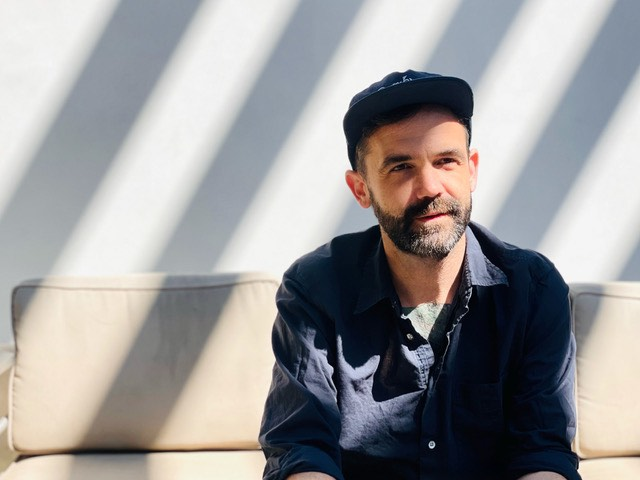
Documentary filmmaker   RYAN FLYNN
Gracious enough to accept our interview request


The 2025 Palm Springs Film Festival has removed YOU’RE NO INDIAN, a film highlighting the impacts of disenrollment in indigenous communities, from its lineup, citing “scheduling errors” as the reason. But this explanation doesn’t hold up. The film was scheduled for two screenings and had already sold out both showings. This decision feels less like a logistical mishap and more like an intentional effort to suppress the voices of disenrolled tribal members featured in the documentary.

As many of you know, I am Rick Cuevas, a descendant of Paulina Hunter, an Original Pechanga person and allottee of the Temecula Indian Reservation. In 1895, Paulina was granted a 20-acre plot of land that remains in my family to this day, providing a home for over 20 permanent residents. Despite our deep roots and history, my family—over 130 living descendants—was disenrolled in 2006 by the Pechanga tribe. We were stripped of our citizenship, removed from the tribal rolls, and denied the rights and recognition we were entitled to as tribal members.

This wasn’t an isolated event. In 2004, the Manuela Miranda family was similarly disenrolled from Pechanga, marking the beginning of Pechanga’s “Decade of Disenrollment.” Thousands of tribal members across the country have faced the same fate, with devastating consequences.

Now, with the removal of YOU’RE NO INDIAN from the Palm Springs Film Festival, it feels like another form of disenrollment—silencing our voices and erasing our stories as if we don’t exist. The festival’s decision to strike the film, despite its sold-out screenings, only amplifies the pain and frustration of the 10,000 disenrolled tribal members whose stories Ryan Flynn sought to amplify.

The Film’s director, Ryan Flynn, was kind enough to answer my questions about the film and its powerful message. I encourage you to stick with me and read his insights. These stories need to be told, even if some would rather they stay hidden.


OP: What inspired you to dedicate almost 7 years of your life to creating a documentary about tribal disenrollment? 


Ryan Flynn: As a father, I often think about the kind of world we’re leaving for future generations. I want to believe that our society, and the history we’re building today, will still be here 500 years from now. But for so many indigenous tribes, that’s not the case. Their histories, languages, and cultures have been systematically erased. I can’t help but think about a father from 500 years ago, experiencing the same fears and joys of parenthood that I do now. It’s heartbreaking that we can’t know his story—not only has his history been erased, but in many cases, even his language is gone.

This film is deeply personal for me. My role here is to amplify the voices of those who are fighting to preserve what little culture and history remains. Because what is a society without its language, culture, and traditions? With this new practice of disenrollment, I fear we are at risk of losing a massive part of our collective human history because of greed. While I’m not Indigenous, I am a human being, and Indigenous history is human history.

OP: How did you approach gaining the trust of individuals and communities affected by disenrollment to share their stories?

Ryan Flynn: One of the biggest challenges was gaining access and trust as a non-indigenous director. Building relationships with the community took years of effort and mutual respect. Additionally, fear around speaking out made it difficult for people to come forward. I see disenrollment as the weaponization of identity and fear, and I worked hard to create a safe space for people to share their stories.

OP: Were there moments during filming that were especially emotional or difficult for you as a director?


Ryan Flynn: For me, the most difficult moments were hearing how disenrollment led some people to consider suicide. The impact of being severed from their tribe—losing their identity, community, and sense of belonging—was so profound that it pushed some individuals into complete despair. Sitting across from someone as they shared this level of pain was devastating.


It wasn’t just the personal loss; it was the systemic erasure of everything they stood for—their history, their culture, their future. As a director, those moments weighed heavily on me, knowing that these stories needed to be told but also needing to approach them with care and sensitivity. It’s one thing to make a film about an issue, but it’s entirely different when you witness how deeply it impacts someone’s mental health and will to live.


OP: What were some of the biggest challenges you faced while creating this documentary, both logistically and emotionally?

Palm Springs International Film Festival CANCELS Documentary YOU'RE NO INDIAN. Took DAYS to Realize Scheduling ISSUE.

 Was tribal disenrollment too HOT a topic to be seen?   Was it because it only affected TEN THOUSAND LIVING Native Americans?    YOU can ask them with this contact information from their website:

Palm Springs International Film Society

303 North Indian Canyon Drive, 3rd Floor

Palm Springs CA 92262 USA

Telephone: 1.760.322.2930

Toll Free (USA): 1.800.898.7256

info@psfilmfest.org


 WE HAVE QUESTIONS for you PSIFF


On the Decision-Making Process to CANCEL a film.  

Could you clarify the "scheduling error" explanation for pulling the film, especially given that it remained listed for two weeks and tickets were nearly sold out?

Follow-up: Was this explanation consistent with internal communications or festival policies regarding scheduling changes?

Were any external entities, such as sponsoring tribes or donors, involved in the decision to remove the film?

Follow-up: If so, how did their input influence the decision, and is there a policy addressing such situations?


On Your Festival Values and Censorship

The festival prides itself on showcasing diverse voices and addressing important social issues. How does pulling this documentary detailing what happened to TEN THOUSAND NATIVE AMERICANS align with that mission?

Follow-up: Are there specific boundaries on the types of controversies or topics the festival is willing to address?

Do you believe the decision to pull the film constitutes censorship, intentional or otherwise, of an important issue affecting Native American communities?

Follow-up: What steps are in place to protect the integrity of the festival’s programming against external pressures?


On Transparency and Accountability

Were Ryan Flynn and his team given a detailed explanation or an opportunity to respond to the decision before the film was removed?


Follow-up: How does the festival ensure fair treatment of filmmakers in situations like this?

Have other films been pulled under similar circumstances in the festival’s history? If so, how were those situations handled?


Follow-up: How does the festival balance honoring commitments to filmmakers with addressing concerns from sponsors or stakeholders?

On Sponsorship and Influence

How do sponsorship agreements influence the festival’s programming decisions, particularly regarding sensitive or potentially controversial films?


Follow-up: Are there safeguards to ensure that sponsors cannot unilaterally dictate or suppress programming choices?

What assurances can the festival provide to filmmakers and audiences that future selections will be protected from external pressures?


Follow-up: Are there plans to implement or strengthen policies to prevent similar situations in the future?

On Moving Forward

Given the outcry from those affected by tribal disenrollment, would the festival consider revisiting its decision or finding alternative ways to showcase the documentary?

Could the festival host a panel discussion or virtual screening to address the controversy and provide a platform for dialogue?

What message do you think the cancellation sends to marginalized communities seeking to share their stories through the arts?

How does the festival plan to rebuild trust with filmmakers and audiences who may feel disheartened by this decision?